Iwate Hotels: no available offers. Here are other great options for your stay!
9.0 16 reviews
Iwate
10/08 – 10/11
HK$1014/nighttotal: HK$3042 (3 )
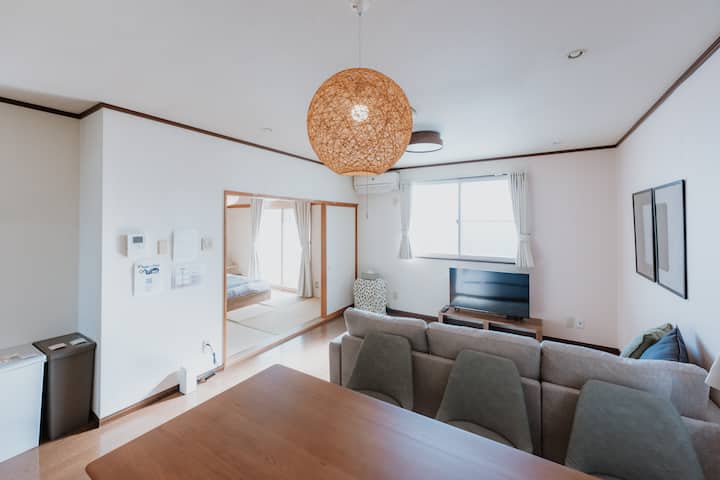
Halcoya Hanare - Vacation Stay 89587v
1 2
house , Shizukuishi-chō
Halcoya hanare - Vacation STAY 89587v is situated in Shizukuishi, a short 3.8 kilometre drive from Shizukuishi Station and just 13 kilometres from the popular Koiwai Farm. This one-bedroom property offers a peaceful retreat for up to five guests and features a fully equipped kitchen, air conditioning, and free private parking.
8.3 30 reviews
Iwate
10/08 – 10/11
HK$683/nighttotal: HK$2049 (3 )
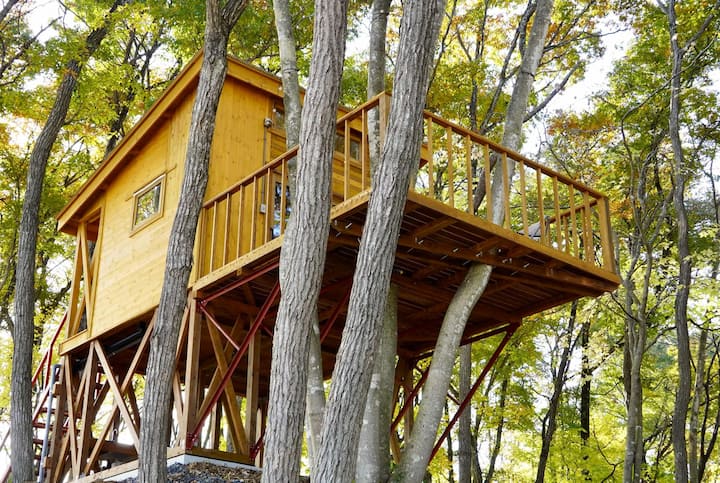
Shinseikan
1 2
ryokan , Nishiwaga-machi
Shinseikan ryokan is located in Nishiwaga-machi, a 17km drive from the Shigarai Ski Area and 46km from Kitakami Station, offering a peaceful escape in a scenic setting. The hotel has received very good ratings for cleanliness and user experience, although the location itself is rated as OK. The accommodation features one bedroom and one bathroom, with amenities such as free Wi-Fi, air conditioning, and parking. Guests can enjoy a shared lounge, room service, and a swimming pool, making it a great choice for families.
9.7 14 reviews
Iwate
10/08 – 10/11
HK$1718/nighttotal: HK$5154 (3 )
6 Guests|morioka Sta 12-min Drive| 1 Parking
1 2
apartment , Morioka-shi
This two-bedroom flat is located in central Morioka-shi, offering excellent city access and being an 8-minute walk from JR Yamagishi Station and a 1-minute walk to the Tagamimatsu bus stop. This 58 square metre apartment accommodates up to six guests with flexible sleeping arrangements, features high-speed Wi-Fi, air conditioning, a fully equipped kitchen with fridge, freezer and microwave, and includes free on-site parking for one car.
9.6 11 reviews
Iwate
10/10 – 10/16
HK$1174/nighttotal: HK$7044 (6 )
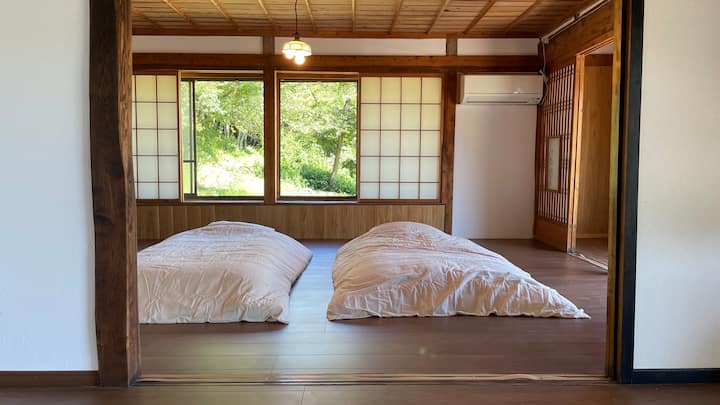
信の宿 花巻
2 2
house , Hanamaki Shi
This spacious Hanamaki holiday home is located 8.5 kilometres from Shin-Hanamaki Station and 35 kilometres from Morioka Station, with Iwate Hanamaki Airport a mere 5 kilometres away, offering convenient access to local attractions such as the Miyazawa Kenji Memorial Museum, 9.7 kilometres distant. This family-friendly detached house, accommodating up to 19 guests, features a generous 137 square metre floor area, a fully equipped kitchen, air conditioning, complimentary Wi-Fi, private parking, and garden access, alongside a terrace and balcony for outdoor enjoyment.
Top cities
Frequently asked questions about hotels in Iwate
What are the best landmarks to visit in Iwate Prefecture, Japan?
Iwate Prefecture boasts a stunning array of landmarks. For natural beauty, you absolutely must see the breathtaking scenery of Lake Tazawa, Japan's deepest lake, and the dramatic cliffs and coastal views of the Sanriku Coast. Historically significant is Hiraizumi, a UNESCO World Heritage site famed for its stunning temples and gardens, including Chuson-ji Temple and Motsu-ji Temple. Mount Iwate, an active volcano, offers incredible hiking opportunities (weather permitting), and the impressive Kakunodate samurai district provides a fascinating glimpse into Japan's feudal past.
What are the best hotels with a swimming pool in Iwate?
What is the best itinerary to experience Iwate Prefecture, Japan?
A good itinerary depends on your interests and time. A week-long trip could include exploring Hiraizumi's temples and gardens (2 days), enjoying the natural beauty of Lake Tazawa and Nyuto Onsen (hot springs) (2 days), experiencing the coastal scenery of the Sanriku Coast (1 day), and visiting Kakunodate (1 day). You could add a day for Mount Iwate, or explore other areas depending on your preferences. Consider using local buses and trains for travel between locations.
What are the most popular 2, 3 and 4-star hotels in Iwate?
What is the best time to visit Iwate Prefecture, Japan?
The best time to visit is during spring (April-May) for cherry blossoms or autumn (September-October) for stunning foliage. Summers can be hot and humid, while winters are cold and snowy, particularly in mountainous areas. The best time depends on your priorities – if you want to hike Mount Iwate, summer or early autumn might be best, while winter is ideal for snow activities.
What traditional local food should you try in Iwate Prefecture, Japan?
Iwate is known for its delicious food. Wanko soba, a noodle dish where you're served endless bowls, is a must-try. Hinai-jidori chicken, a local breed, is also highly regarded. Try some of the regional sake, and don't miss the chance to sample local seafood, especially along the Sanriku Coast.
What are the best family friendly hotels in Iwate?
Are there any unknown or hidden places that should be on your list in Iwate Prefecture, Japan?
Many smaller villages and onsen towns offer a more authentic experience than the major tourist spots. Explore the less-visited onsen towns in the Nyuto Onsen area, each with its unique charm. The Shizukuishi region offers beautiful scenery and hiking opportunities away from the crowds. Researching smaller towns along the Sanriku Coast can also reveal hidden gems.
What are some authentic ways to meet locals and discover their traditions in Iwate Prefecture, Japan?
Staying in smaller guesthouses or minshuku (family-run inns) provides opportunities to interact with locals. Participating in local festivals or workshops, if available, is a great way to experience traditions firsthand. Trying to speak some basic Japanese, even a simple greeting, can go a long way in showing respect and encouraging interaction.
What should visitors know about the weather and natural risks in Iwate Prefecture, Japan?
Iwate experiences distinct seasons. Summers are hot and humid, while winters are cold and snowy, especially in mountainous areas. Typhoons can occur in late summer and autumn. Earthquakes are a possibility in Japan, so it's wise to be aware of safety procedures. Check weather forecasts before any outdoor activities, especially hiking.
Are there any special items you’ll need when travelling to Iwate Prefecture, Japan?
Comfortable walking shoes are essential, especially if you plan on hiking or exploring towns on foot. Layers of clothing are recommended, as temperatures can fluctuate. A Japanese phrasebook or translation app can be helpful. Consider purchasing a Japan Rail Pass if you plan on extensive train travel. An umbrella is practical, as rain can be unpredictable.