Sotetsu Fresa Inn Kitakami
hotel, Kitakami-shi
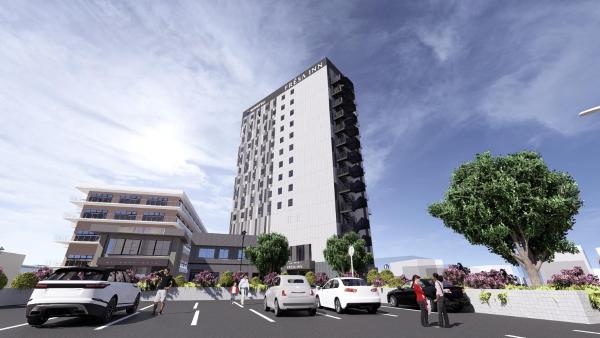
Sotetsu Fresa Inn Kitakami, a 3-star hotel, offers excellent access to Kitakami Station and is situated 15.1 kilometres from Esashi Fujiwara Heritage Park.
This accommodation provides rooms with air conditioning, free WiFi, and complimentary toiletries, along with bilingual staff available at reception for guest convenience.
This accommodation provides rooms with air conditioning, free WiFi, and complimentary toiletries, along with bilingual staff available at reception for guest convenience.

Hotel Mazarium
hotel, Morioka-shi
Hotel Mazarium is conveniently located in Morioka, just 2.1 km from Morioka Station and within easy reach of attractions like Morioka Ice Arena (4 km) and Iwayama Park Land (4.3 km). This 4-star hotel enjoys excellent user ratings for its cleanliness and location.
The accommodation features one bedroom and one bathroom, comfortably sleeping up to two guests. Amenities include free Wi-Fi, air conditioning, a terrace or balcony, a sauna, and on-site parking.
The accommodation features one bedroom and one bathroom, comfortably sleeping up to two guests. Amenities include free Wi-Fi, air conditioning, a terrace or balcony, a sauna, and on-site parking.

Hotel Royal Morioka
hotel, Morioka-shi
Hotel Royal Morioka is located near Morioka Station, a 11-minute walk away, and is conveniently situated close to Morioka Ice Arena (3.4 km) and Iwayama Park Land (6 km). The hotel is a 3-star establishment that receives very good user ratings.
The hotel offers air-conditioned rooms with free Wi-Fi, flat-screen TVs, and private bathrooms. Guests can enjoy meals at the hotel's restaurant and relax in the bar, offering a convenient dining experience.
The hotel offers air-conditioned rooms with free Wi-Fi, flat-screen TVs, and private bathrooms. Guests can enjoy meals at the hotel's restaurant and relax in the bar, offering a convenient dining experience.

Daiwa Roynet Hotel Morioka Ekimae
hotel, Morioka-shi
The Daiwa Roynet Hotel Morioka Ekimae is conveniently located in the city centre of Morioka, just a 3-minute walk from Morioka Station and 2.7 kilometres from Morioka Ice Arena. This 4-star hotel has received very good user ratings for its location and cleanliness.
The accommodation offers air-conditioned rooms with private bathrooms, flat-screen TVs, and comfortable beds. Guests can enjoy meals at the hotel's restaurant, relax in the jacuzzi, and benefit from the multilingual staff, free Wi-Fi and parking facilities.
The accommodation offers air-conditioned rooms with private bathrooms, flat-screen TVs, and comfortable beds. Guests can enjoy meals at the hotel's restaurant, relax in the jacuzzi, and benefit from the multilingual staff, free Wi-Fi and parking facilities.

Hotel Route-inn Yahaba
hotel, Yahaba-chō
Hotel Route-Inn Yahaba is located in Yahaba-chō, just 11 kilometres from Morioka Station and 11.4 kilometres from Morioka Ice Arena, offering a convenient base for exploring the region. This 3-star hotel consistently receives very good ratings from guests for its comfortable accommodation and friendly service.
The hotel features a range of modern amenities, including a restaurant, a spa centre, and free parking. Guests can enjoy free Wi-Fi throughout the property and take advantage of the 24-hour front desk and luggage storage services.
The hotel features a range of modern amenities, including a restaurant, a spa centre, and free parking. Guests can enjoy free Wi-Fi throughout the property and take advantage of the 24-hour front desk and luggage storage services.

Private Japanese Inn Kagetsu-tei 花月邸
hotel, Kamaishi-shi
Private Japanese Inn Kagetsu-tei 花月邸 is located 2.25 kilometres from Kamaishi Station and 7.4 kilometres from Kamaishi Recovery Memorial Stadium.
This 68 square metre lodging accommodates up to seven guests and offers one bedroom and one bathroom, with amenities including air conditioning, WiFi, concierge service, and parking, alongside a shared kitchen and lounge.
This 68 square metre lodging accommodates up to seven guests and offers one bedroom and one bathroom, with amenities including air conditioning, WiFi, concierge service, and parking, alongside a shared kitchen and lounge.
Hotel Ragaso
hotel, Tanohata-mura
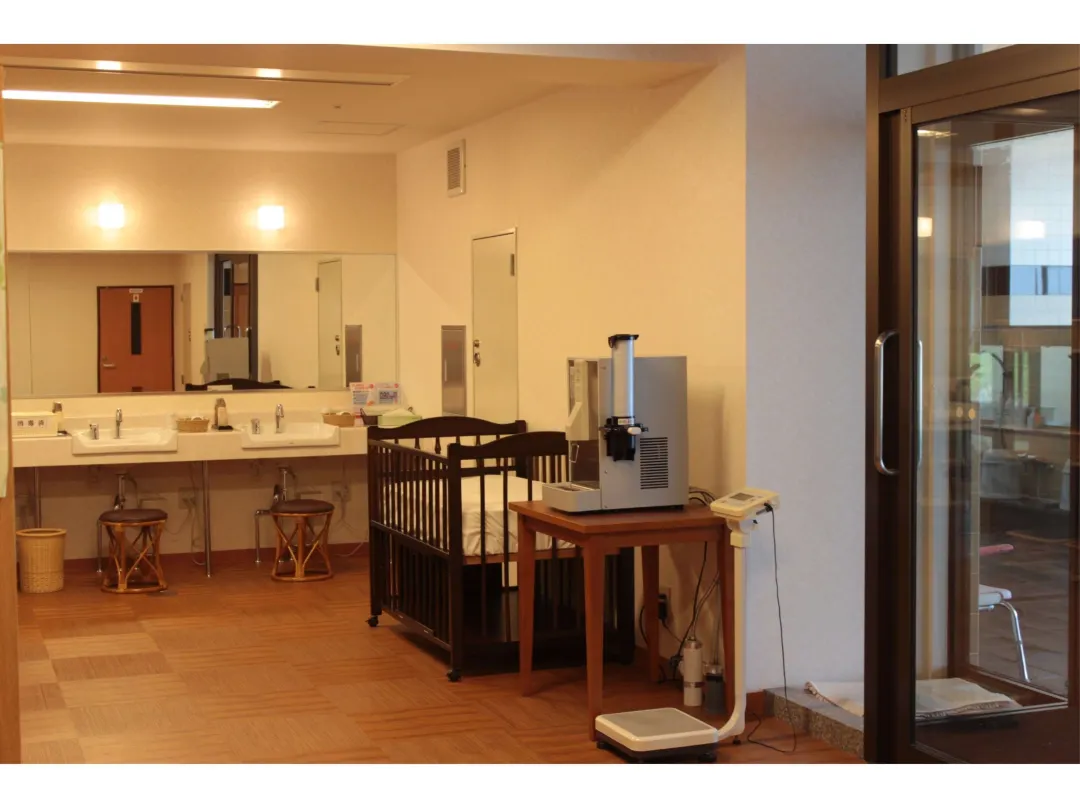
Hotel Ragaso, a 3-star establishment in Tanohata Village, Iwate Prefecture, boasts panoramic Sanriku Ocean views.
This family-friendly lodging offers a swimming pool, jacuzzi, sauna, spa, restaurant, bar, and room service, alongside breathtaking coastal scenery and potential for nearby hiking.
This family-friendly lodging offers a swimming pool, jacuzzi, sauna, spa, restaurant, bar, and room service, alongside breathtaking coastal scenery and potential for nearby hiking.

Hotel Matsunoka Ichinoseki
hotel, Ichinoseki-shi
Hotel Matsunoka Ichinoseki is a 3-star lodging situated just a few steps from Ichinoseki Station, placing guests conveniently close to Mōtsūji Temple (9 kilometres) and Chūsonji Temple (10.6 kilometres).
This establishment offers rooms with a seating area, flat-screen TV, fridge, and en-suite bathrooms, along with complimentary WiFi, on-site dining with buffet breakfast, and 24-hour front desk service.
This establishment offers rooms with a seating area, flat-screen TV, fridge, and en-suite bathrooms, along with complimentary WiFi, on-site dining with buffet breakfast, and 24-hour front desk service.

Art Hotel Morioka
hotel, Morioka-shi
Art Hotel Morioka, a four-star establishment in Morioka-shi's central district, offers complimentary internet, air conditioning, and an on-site restaurant, with a user rating of "very good".
This accommodation provides guests with convenient access to local attractions and features daily housekeeping, laundry service, luggage storage, and on-site massage services.
This accommodation provides guests with convenient access to local attractions and features daily housekeeping, laundry service, luggage storage, and on-site massage services.

Jr-east Hotel Mets Kitakami
hotel, Kitakami-shi
JR-East Hotel Mets Kitakami offers 3-star accommodation in Kitakami city centre, conveniently located adjacent to Kitakami Station and within a 16-18 km radius of attractions such as Esashi Fujiwara Heritage Park and the Miyazawa Kenji Memorial Museum.
This hotel features a restaurant, free parking, free Wi-Fi, and a 24-hour front desk; it includes one bedroom and one bathroom, providing comfortable lodging for guests exploring Kitakami and its surrounding historical sites.
This hotel features a restaurant, free parking, free Wi-Fi, and a 24-hour front desk; it includes one bedroom and one bathroom, providing comfortable lodging for guests exploring Kitakami and its surrounding historical sites.

Super Hotel Yahaba Station East Exit
hotel, Yahaba-chō
Super Hotel Yahaba Station East Exit is located in Yahaba-chō, just 13km from Morioka Station and 12km from Morioka Ice Arena, making it a convenient base for exploring the region. This 3-star hotel has consistently received excellent user ratings for its cleanliness and location.
The hotel offers 1-bedroom rooms that can accommodate up to 2 guests. Amenities include air conditioning, a hot spring bath, a restaurant, free Wi-Fi, and parking, providing a comfortable and relaxing stay.
The hotel offers 1-bedroom rooms that can accommodate up to 2 guests. Amenities include air conditioning, a hot spring bath, a restaurant, free Wi-Fi, and parking, providing a comfortable and relaxing stay.

Hotel Metropolitan Morioka New Wing
hotel, Morioka-shi
Hotel Metropolitan Morioka New Wing, a 3.5-star hotel in Morioka-shi, is conveniently located for exploring the city.
This accommodation offers guests complimentary internet, on-site parking, laundry services, and daily housekeeping, with dining options including a coffee shop, eateries, and a bar.
This accommodation offers guests complimentary internet, on-site parking, laundry services, and daily housekeeping, with dining options including a coffee shop, eateries, and a bar.